Buying advice
What size power station do i need? watts vs watt-hours explained
Work out the watts and watt-hours you need in three steps, with worked examples for camping, CPAP, RV and home backup, plus a free calculator.
By WattKitFinder Editorial TeamUpdated 8 min read
Watts vs watt-hours: the two numbers that matter
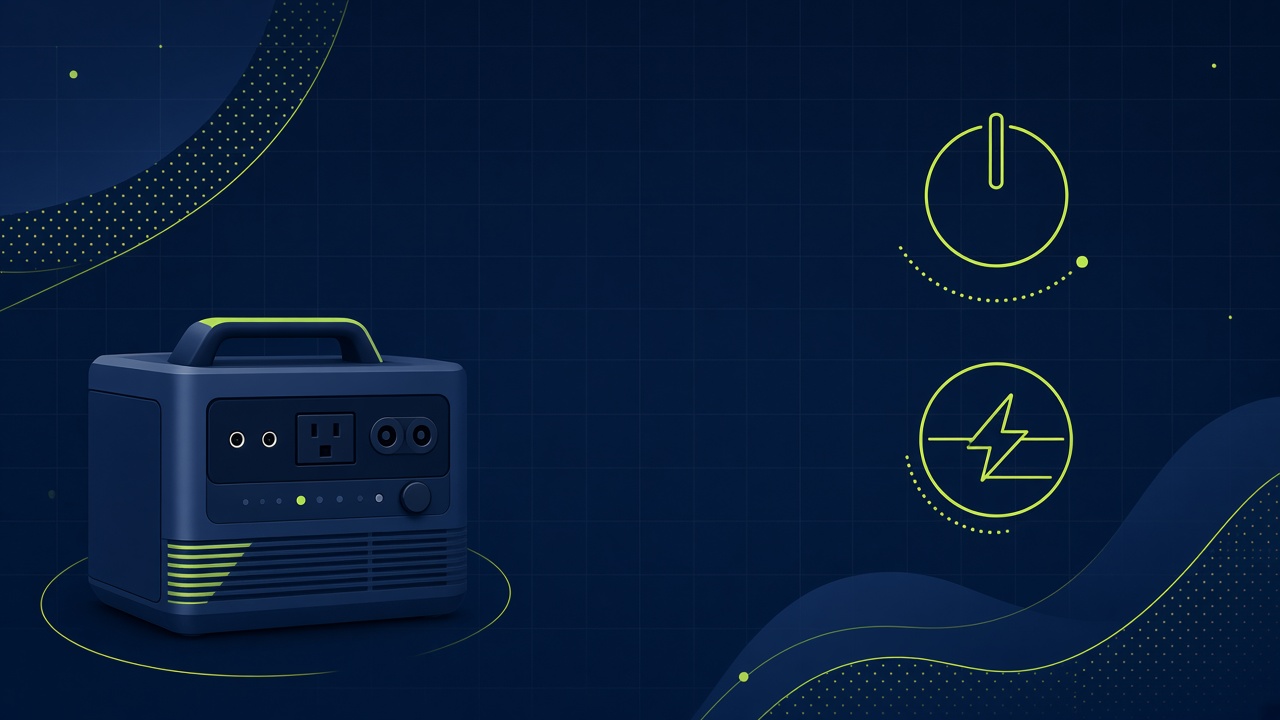
Every power station is defined by two specs that are easy to confuse. Output (watts) is how much power the inverter can deliver at any moment, like the width of a pipe. Capacity (watt-hours) is how much energy is stored in the battery, like the size of the tank.
A 1,000 W kettle needs a station rated for at least 1,000 W of output, but it only uses about 100 Wh to boil a litre. A 40 W CPAP needs very little output, but running it for 8 hours uses 320 Wh. Undersize the watts and the station shuts off instantly; undersize the watt-hours and it runs out early.
Step 1: list what you want to power
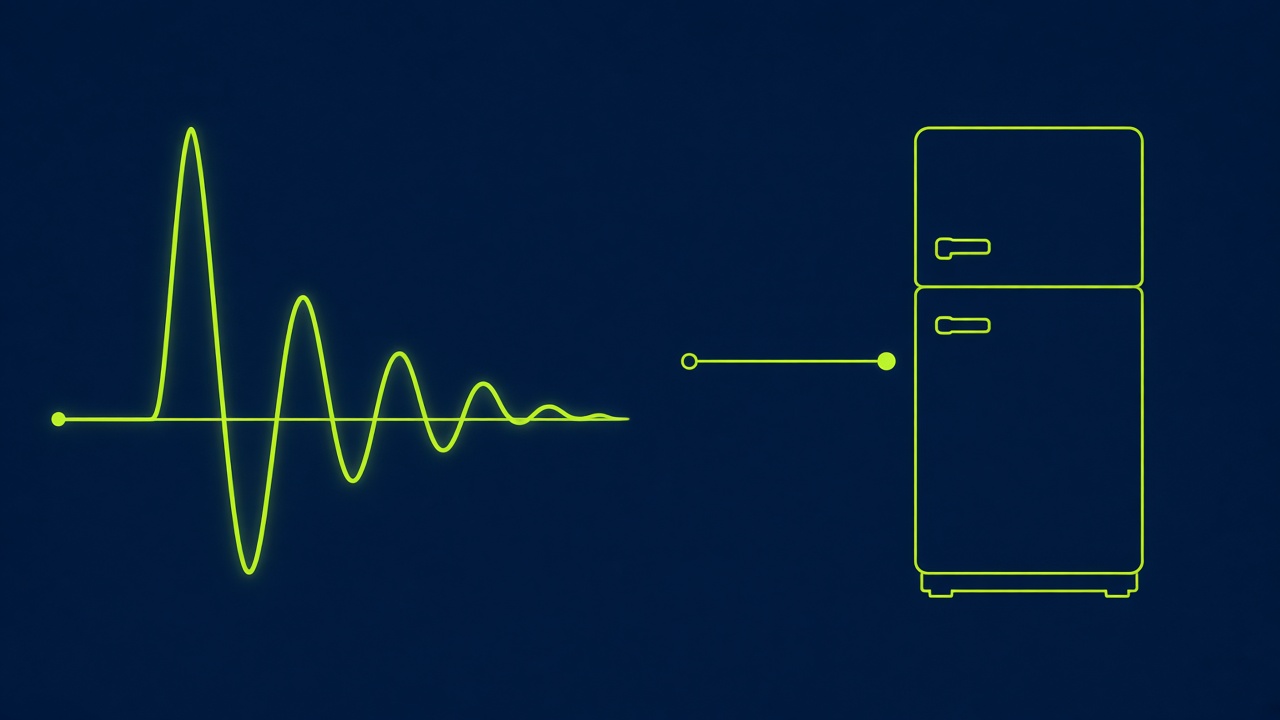
Write down each device with its running watts (on the label or charger brick) and how many hours a day you will use it. For anything with a motor or compressor (fridges, pumps, power tools, air conditioners), also note the start-up (surge) watts, which can be 2–8× the running figure for a split second.
Not sure about a number? Our appliance runtime pages list typical running and surge watts for 25+ common devices, or you can build a list in the wattage calculator.
Step 2: size the output (watts)
Add up the running watts of everything you might use at the same time. Your station's continuous rating should exceed that total. Then check the single biggest start-up spike against the station's surge rating.
- Phones, laptops, lights, router, CPAP: 300–600 W is plenty.
- Fridge, TV, fans and electronics together: 1,000–1,500 W with 1,200 W+ surge.
- Microwave, kettle, coffee maker or hair dryer: 1,800 W+ (or BLUETTI Power Lifting for heating loads).
- Well pump, central AC, electric dryer: 240V-capable systems such as the Jackery Explorer 5000 Plus or BLUETTI Apex 300.
Step 3: size the capacity (watt-hours)
Multiply each device's watts by the hours of use per day and add them up. For cycling appliances like fridges, use the average draw: a fridge that pulls 150 W while running but runs 40% of the time averages 60 W, or about 1,440 Wh per day.
Then divide by 0.85 to account for inverter losses when running AC devices (DC and USB devices lose less, about 8%). Finally, multiply by the number of days you need to go without recharging.
| Scenario | Typical daily use | Suggested capacity |
|---|---|---|
| Weekend tent camping (phones, lights, fan) | 150–300 Wh | 300–500 Wh |
| Car camping with 12V fridge + CPAP | 700–900 Wh | 1,000–1,500 Wh |
| RV boondocking | 2–4 kWh | 2–3 kWh + solar |
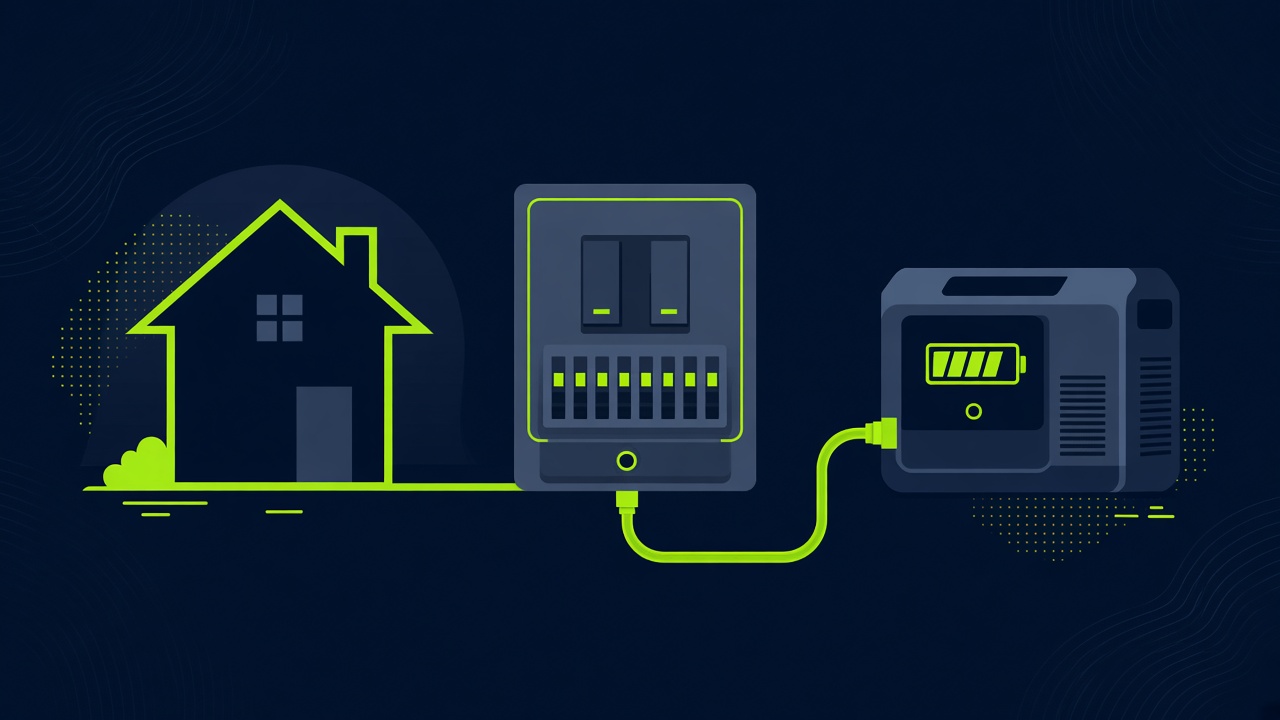
| Home outage essentials (fridge, router, lights, TV) | 2–3 kWh | 2–4 kWh, expandable |
| Whole-home circuits via transfer switch | 8–20 kWh | 5 kWh+ with expansion and solar |
Worked example: a 24-hour power outage
Fridge (60 W average × 24 h = 1,440 Wh) + router (15 W × 24 h = 360 Wh) + LED lights (45 W × 6 h = 270 Wh) + TV (100 W × 4 h = 400 Wh) + phone charging (50 Wh) = 2,520 Wh. Divided by 0.85, that is about 2,965 Wh.
A 3 kWh station such as the Jackery HomePower 3000 or BLUETTI Elite 300 covers it; a 2 kWh unit gets you through the night if you unplug the TV. For outages longer than a day, add solar or choose an expandable station.
Common sizing mistakes
- Ignoring surge. A 1,000 W station that runs your fridge on paper may trip every time the compressor starts.
- Using the full rated capacity. Real usable energy is 80–90% of the label after inverter losses and the battery's low-voltage cut-off.
- Running DC devices through AC. Plugging a CPAP or laptop brick into the AC outlet wastes 10–15% versus a DC or USB-C cable.
- Forgetting recharge. In a multi-day outage, a smaller station that refills from solar in a morning can beat a bigger one that never gets refilled.
Frequently asked questions
How many watts do I need to run a house?
+
Essentials (fridge, lights, internet, TV) need 1,500–3,000 W of output and 2–3 kWh per day. Running a whole house including AC, an electric range and a dryer requires 240V output of 7 kW or more and 10 kWh+ of storage.
Is 1000 Wh enough?
+
For camping, CPAP use and short outages, yes. A 1,000 Wh station runs a CPAP for 2–3 nights, a fridge for 12–16 hours, or a router for 2 days. For a full day of home essentials, aim for 2 kWh or more.
What does 2000W mean on a power station?
+
It is the continuous output rating: the most power the inverter can supply at once. It says nothing about how long it lasts; that is the Wh capacity.