Technology
Surge vs running watts: why your power station trips
Why motors and compressors need 2-8× their running watts to start, how power station surge ratings work, and what Power Lifting does and does not do.
By WattKitFinder Editorial TeamUpdated 5 min read
What causes surge
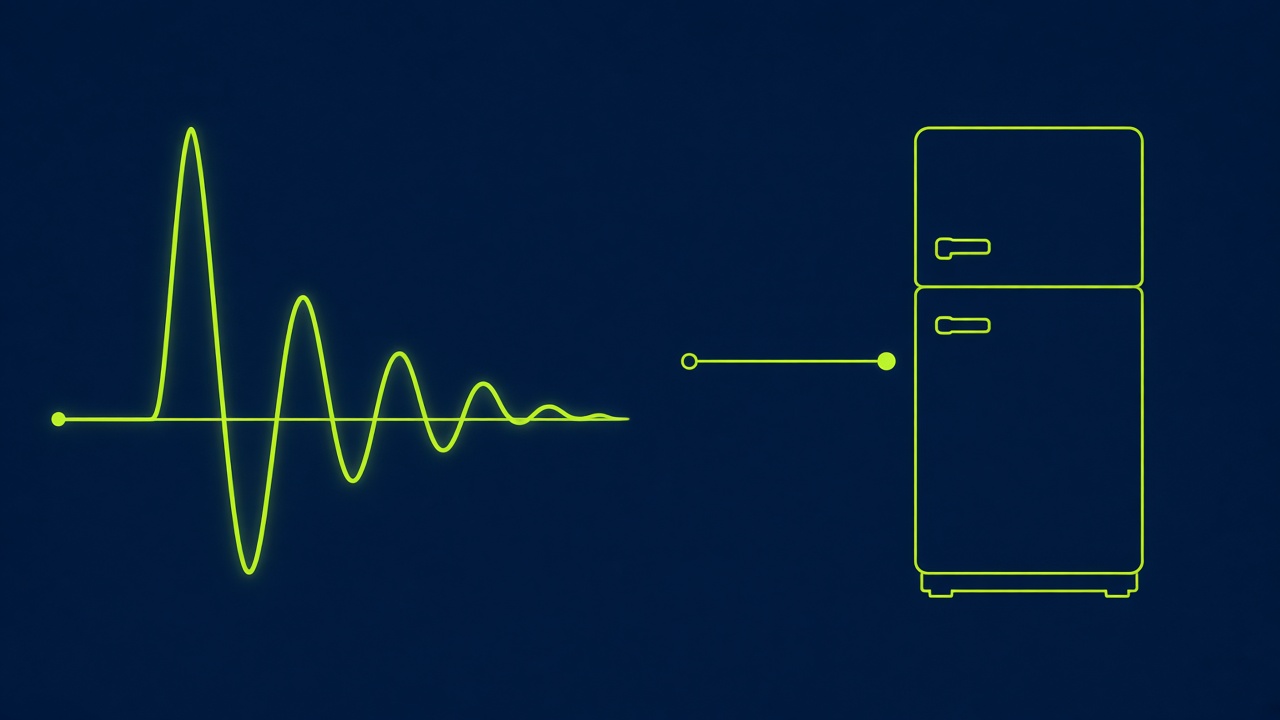
Electric motors draw a large inrush current while they spin up. Fridge and freezer compressors, sump and well pumps, air conditioners and corded saws all do this. Resistive loads (kettles, toasters, heaters) do not surge, and electronics with switching power supplies have only a small inrush.
| Appliance | Running W | Start-up W |
|---|---|---|
| Refrigerator | 150 | ~1,200 |
| 1/3 HP sump pump | 800 | ~1,300 |
| 1/2 HP well pump | 1,000 | ~2,100 |
| 8,000 BTU window AC | 650 | ~1,800 |
| 7¼-inch circular saw | 1,400 | ~2,300 |
Power lifting and similar modes
BLUETTI's Power Lifting lowers output voltage so a heater or kettle draws less current, letting a 1,800 W unit run a 2,700 W hair dryer at reduced heat. It is great for resistive loads but does not help motors, which need full voltage to start. Size compressors and pumps against the surge rating.
Frequently asked questions
Why does my power station shut off when the fridge starts?
+
The compressor's start-up surge exceeds the station's surge rating. Choose a model with at least 1,200–1,500 W surge for a typical fridge, or try an inverter-type fridge with soft start.