Technology
LiFePO4 vs NMC vs sodium-ion: which battery chemistry is best?
Why nearly every new power station uses LiFePO4, what NMC still does better, and when sodium-ion makes sense. Cycle life, safety, weight and cold-weather performance compared.
By WattKitFinder Editorial TeamUpdated 6 min read
Why LiFePO4 took over
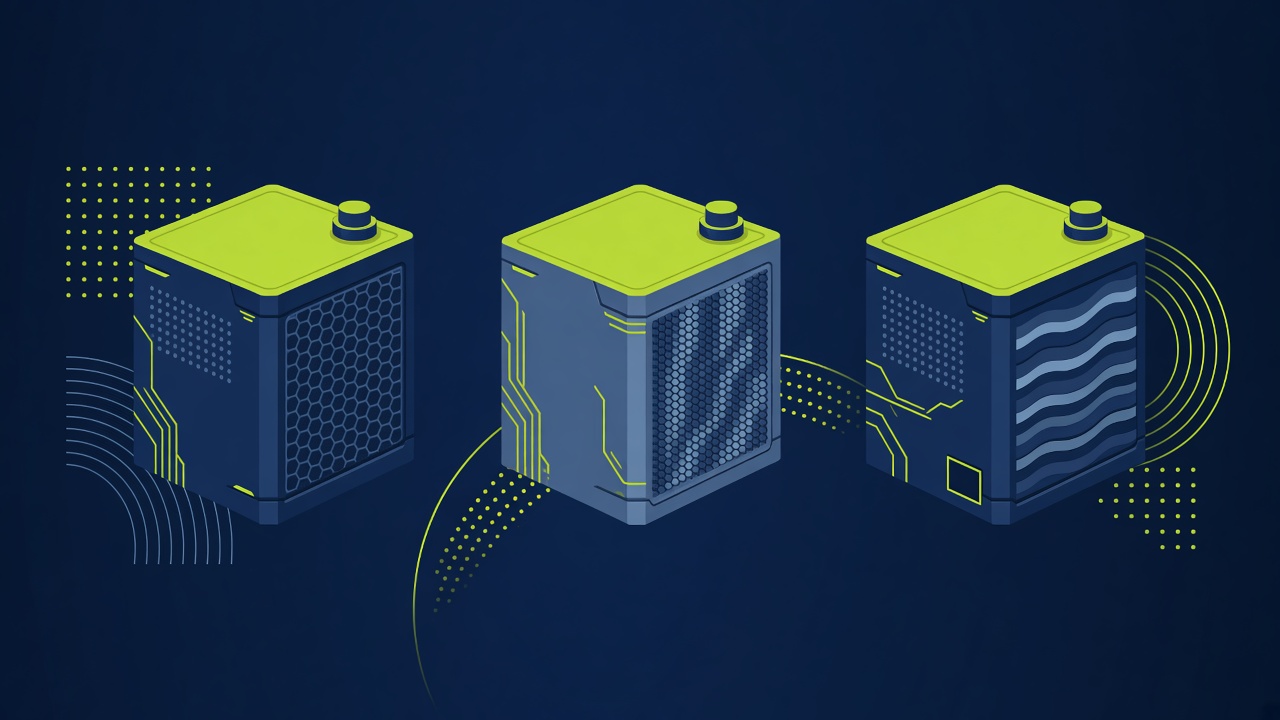
Lithium iron phosphate cells have a very stable chemistry: they resist thermal runaway far better than nickel-based cells and keep most of their capacity for thousands of cycles. Every current Jackery and BLUETTI model in our database except the sodium-ion Pioneer Na uses LiFePO4.
Ratings vary: some are quoted as cycles to 80% capacity and others as cycles to 70%. A '4,000 cycles to 70%' rating is roughly comparable to 3,200 cycles to 80%, which is how our scoring normalises them.
Where NMC still wins
Nickel-manganese-cobalt cells pack more energy per kilogram, which is why older stations such as the original Jackery Explorer 1000 were light for their time. The trade-off is lifespan (typically 500–1,000 cycles to 80%) and lower thermal stability. Unless weight is everything, buy LiFePO4.
Sodium-ion: the cold-weather specialist
Sodium-ion batteries use abundant sodium instead of lithium. Their headline advantage is temperature: the BLUETTI Pioneer Na charges at 5°F (−15°C) and discharges to −13°F (−25°C). LiFePO4 cells must not be charged below 32°F, so most stations simply refuse.
The downsides today are lower energy density (the Pioneer Na is 900 Wh at 35 lb) and a smaller ecosystem. For winter camping, ice fishing or an unheated cabin, it is the most practical option.
Chemistry comparison at a glance
| LiFePO4 | NMC | Sodium-ion | |
|---|---|---|---|
| Typical cycle rating | 3,000–6,000 | 500–1,000 | 3,000–4,000 |
| Energy density | Medium | High | Lower |
| Thermal stability | Excellent | Good | Excellent |
| Charging below freezing | No (32°F min) | No | Yes (to ~5°F) |
| Cost per Wh today | Lowest | Rising | Moderate |
Frequently asked questions
How long does a LiFePO4 power station last?
+
Rated cycle lives of 3,000–6,000 cycles mean 10+ years even with frequent use. Calendar ageing and electronics usually set the real limit, so warranty length is a good proxy for expected life.
Can I charge a LiFePO4 power station in freezing weather?
+
Not below 32°F (0°C). Keep it in a warm car or tent while charging, or choose a sodium-ion model such as the BLUETTI Pioneer Na.