Home backup
Solar generator vs gas generator: which is better for you?
An honest comparison of battery solar generators and gas generators: upfront cost, cost per kWh, noise, indoor safety, runtime and maintenance.
By WattKitFinder Editorial TeamUpdated 7 min read

What a 'solar generator' actually is
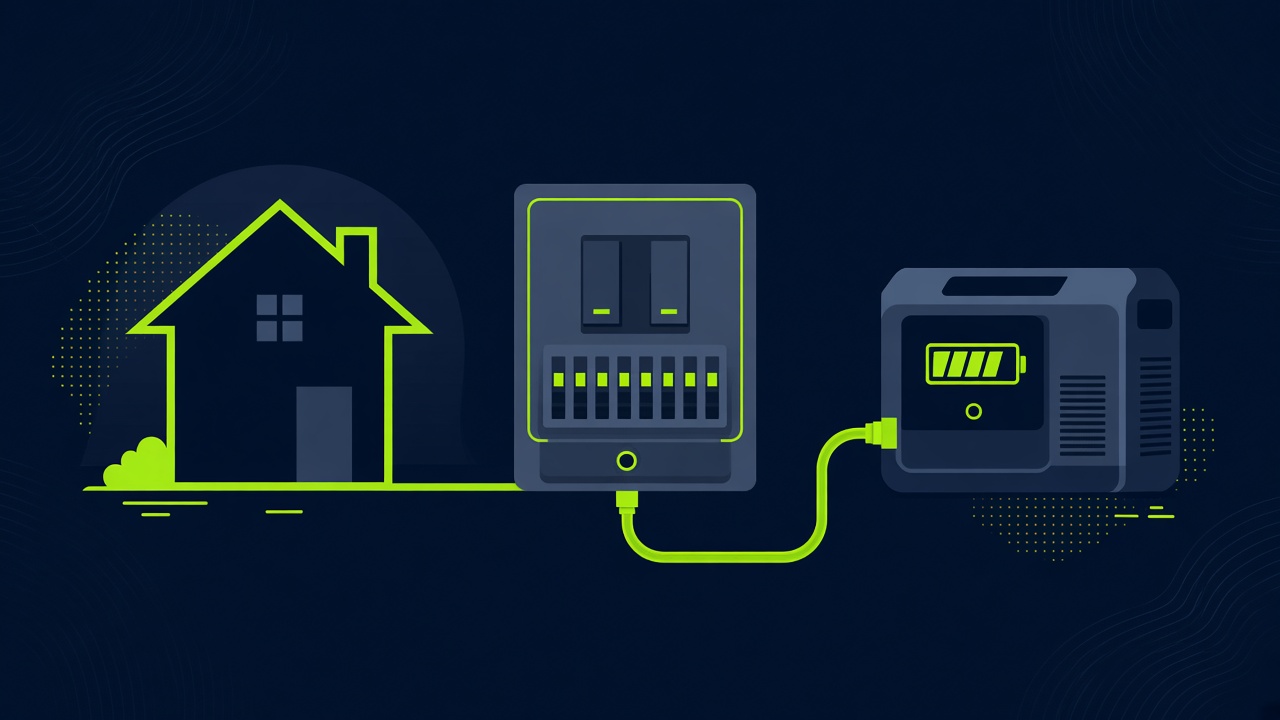
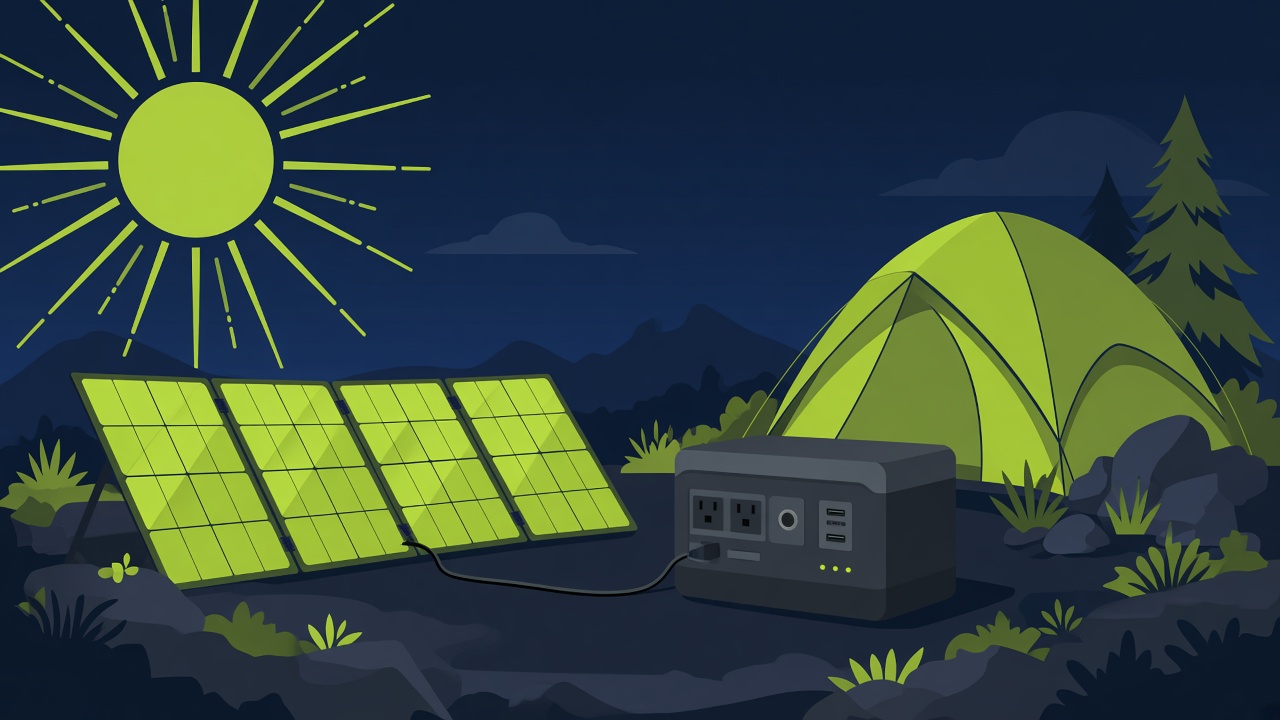
A solar generator is a portable power station (battery, inverter and charge controller in one box) paired with solar panels. It does not generate power by itself; it stores energy from the wall, your car or the sun. That makes it fundamentally different from a fuel generator that converts gasoline into electricity on demand.
Safety: the biggest difference
Portable gas generators are a leading cause of carbon monoxide deaths after storms. The CDC recommends running them outdoors at least 20 feet from windows and doors. A battery station has no exhaust and can sit in your kitchen or bedroom, which is why it is the go-to for apartments, CPAP users and anyone without a safe outdoor space.
Cost over time
Gas generators are cheaper upfront per watt, but fuel adds up: a 3,500 W generator burns roughly 0.5–1 gallon per 3–4 hours at moderate load. A LiFePO4 station costs more upfront but energy from the grid or solar is cheap, and the battery is rated for thousands of cycles. Use our lifetime cost calculator to see cost per kWh over a station's rated life.
| Battery solar generator | Gas generator | |
|---|---|---|
| Noise | 0–50 dB | 60–75 dB |
| Indoor use | Yes | Never |
| Runtime | Limited by Wh (refill by solar/wall) | Unlimited with fuel |
| Maintenance | Almost none | Oil, spark plug, fuel stabiliser |
| Instant UPS switchover | Yes (many models) | No |
| Fuel storage | None | Gas degrades in 3–6 months |
Which should you choose?
- Camping, van life, tailgating: battery station, every time.
- Apartments and condos: battery station, since you cannot safely run a gas generator.
- Short suburban outages (under a day): a 2–3 kWh battery station keeps the fridge and internet running silently. See best for power outages.
- Rural, multi-day outages: a large expandable battery with solar, or a battery paired with a small inverter generator to recharge it once a day.
Frequently asked questions
Can a solar generator replace a gas generator?
+
For most short outages and all camping use, yes. For multi-day whole-home backup without sun, a gas or propane generator still provides more total energy, though large expandable batteries with solar are closing the gap.
Is a solar generator worth it?
+
If you value silent, indoor-safe backup and use it regularly for camping or outages, yes. The batteries last 10+ years and running costs are close to zero.